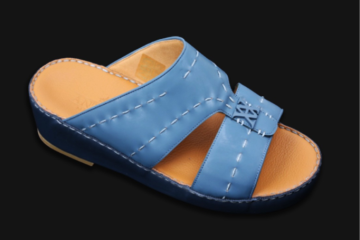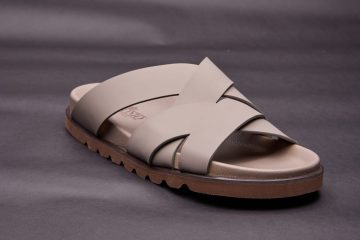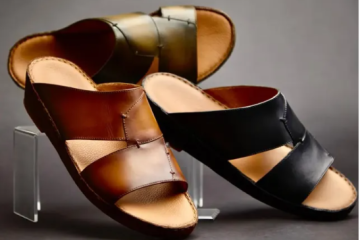

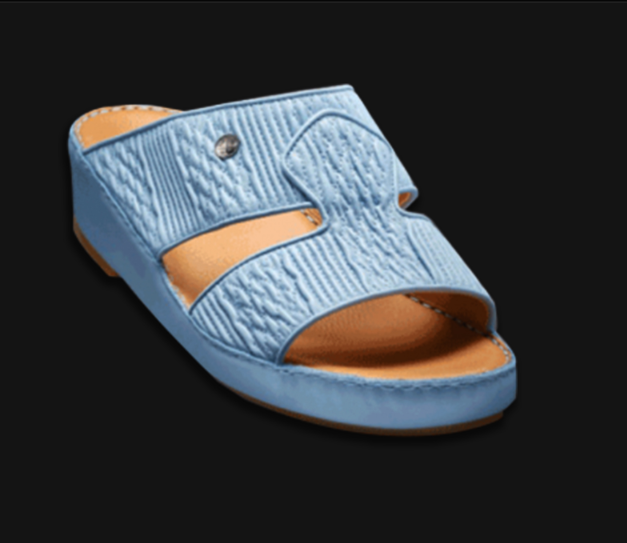
New leather sandals can feel stiff or slightly tight when you first wear them. This does not always mean the size is wrong. Natural leather often needs time to soften and adapt to the shape of your feet. However, breaking in leather sandals should be done gradually. Using excessive heat, water, or force can damage the material and affect the sandal’s shape.
The key is simple: wear them slowly, care for the leather properly, and never force the fit.
First, Check the Fit
Before trying to stretch your sandals, determine whether they are actually too tight or simply new and stiff.
Normal Signs of a New Pair
You may only need a short break-in period if:
- The straps feel firm
- The footbed feels stiff
- There is mild pressure in certain areas
- Walking feels slightly unfamiliar
- The leather does not yet move naturally with your foot
Leather can gradually become softer and more flexible with regular wear.
Signs the Size Is Wrong
Breaking in will not fix a fundamentally incorrect size. Be cautious if:
- Your toes extend beyond the footbed
- Your heel sits outside the sandal
- Your foot hangs over the sides
- The straps cause significant pressure
- You experience persistent pain or numbness
If these problems remain after several short wears, reconsider the fit instead of trying to stretch the sandal aggressively.
Start With Short Wearing Sessions
- The safest way to break in leather sandals is to wear them for short periods.
Try a Gradual Approach
Begin by wearing the sandals at home for around 20–30 minutes. Walk normally so the leather and footbed experience natural movement.
If they remain comfortable, gradually increase the wearing time over the next few days.
For example:
- Day 1: 20–30 minutes
- Day 2: 30–45 minutes
- Day 3: Around one hour
- Afterward: Increase according to comfort
There is no fixed break-in period. Different types of leather, sandal construction, and foot shapes require different amounts of time.
Let the Straps Adapt Naturally
Straps are often the first part of a new sandal that feels uncomfortable.
Instead of pulling or stretching them forcefully, allow them to adjust through normal movement.
Pay Attention to Pressure Points
Check areas around:
- Toes
- Sides of the foot
- Top of the foot
- Heel
- Ankle
- Buckles and hardware
If one area repeatedly rubs your skin, reduce the wearing time rather than continuing until a blister develops.
Avoid Water and Excessive Heat
Many online leather-stretching methods involve soaking footwear or heating it with a hair dryer. These methods can do more harm than good.
Why Water Can Damage Leather
Excessive moisture can cause:
- Staining
- Uneven drying
- Shape changes
- Finish damage
- Cracking when improperly dried
If your sandals become wet, let them dry naturally in a shaded, ventilated area.
Don’t Use a Hair Dryer
Direct heat can dry leather excessively and potentially cause cracking, warping, or changes to its finish.
Keep leather sandals away from heaters, radiators, and prolonged direct sunlight.
Gently Flex the Sandals
If the sole feels particularly stiff, gentle manual flexing can help introduce movement.
Hold the sandal securely and flex it slightly in the direction it naturally bends while walking.
Avoid Aggressive Stretching
Never:
- Twist the sandal forcefully
- Fold the sole sharply
- Pull straps excessively
- Bend the sandal backwards
- Use heavy objects to reshape it
The purpose is to encourage natural flexibility, not completely change the sandal’s structure.
Take Care of the Footbed
The footbed can also feel firm when the sandals are new.
With regular use, a quality leather footbed can gradually become more comfortable as it adapts to your foot.
Give It Time
Rather than trying to soften the footbed artificially, allow your normal walking pattern to do the work.
If the footbed remains uncomfortable or causes pressure even after repeated short wears, the problem may be related to the sandal’s design or fit.
Use Leather Conditioner Carefully
Leather conditioner can help maintain certain types of leather, but it should not automatically be used to stretch sandals.
Always Consider the Leather Type
Smooth leather, suede, nubuck, and other specialised leather finishes may require different care.
Use only products recommended for your particular leather and follow the manufacturer’s instructions. Too much conditioner can change the appearance or texture of the material.
How Long Does It Take to Break In Leather Sandals?
There is no universal timeline.
Some leather sandals become comfortable after a few short sessions, while firmer or more structured designs may take longer.
The break-in period depends on:
- Leather type
- Strap construction
- Footbed design
- Sole flexibility
- Foot shape
- Wearing frequency
The goal is not to reach a particular number of days. The goal is to achieve a comfortable fit without damaging the footwear.
When Should You Stop?
Not every uncomfortable sandal simply needs more time.
Stop trying to break them in if you experience:
- Significant pain
- Persistent numbness
- Severe rubbing
- Repeated blisters
- Compressed toes
- Your foot extending beyond the footbed
- Straps consistently digging into your skin
Leather can soften, but it cannot reliably correct an incorrect size.
A Quick Break-In Checklist
Before wearing your new sandals for an entire day, make sure:
Fit
- Your toes sit comfortably
- Your heel remains within the footbed
- Your foot is not hanging over the sides
Comfort
- Straps feel secure but not restrictive
- There are no severe pressure points
- You can walk naturally
Care
- The sandals have not been exposed to excessive water
- They are stored away from direct heat
- You are using suitable leather-care products
Conclusion
Breaking in leather sandals should be a gradual process, not a battle between your feet and the footwear. Short wearing sessions, natural movement, gentle flexing, and proper leather care can help new sandals become more comfortable without compromising their shape or finish.
Avoid shortcuts involving excessive water, direct heat, or aggressive stretching. Most importantly, remember that breaking in can soften leather, but it cannot correct a sandal that is fundamentally the wrong size.
Antonio Geneve offers leather footwear designed with attention to craftsmanship, materials, comfort, and long-term wear. With the right fit and proper care, a quality pair of leather sandals can become a comfortable and lasting part of your everyday wardrobe.